“I only have great things to say about the office and staff. They listened to my issue and were able to suggest the best of procedures to me. I’m glad that I’ve made my appointment.”

John Q.

“Very accommodating, organized and thorough.”

Anonymous

“Everyone was welcoming, accommodating and informative. I was able to see the doctor on my scheduled time slot! Thank you doctor and staff for giving me a warm welcome.”

Sally W.

“Doctor was able to look at my case and educate me on what is recommended. It’s hard to find someone that I can trust, all staff members were able to do so. All while making me feel comfortable during my appointment. Would recommend to my family and friends!”

Dan G.

“Experience. Experience. Experience. I value doctors that have the best knowledge and most experience in their field. From my first appointment, I was impressed from the receptionist to the highly skilled doctor. Never has an appointment been disappointing.”

Bruce S.

“The receptionist was very accommodating as I did not have much availability for appointments. They were able to take me in with late notice. I’m happy that there was ample parking!”

Jennifer L.

Our team consists of dedicated individuals who are kind, friendly, and caring. Our staff is here to ensure a pleasant experience during your visit to our office.

Our team includes experienced and energetic people whose goal is to communicate well with our patients and provide the best care possible.

Mesilla Valley Family Dentistry, Serving Las Cruces and The Surrounding Areas

Trusting a team to take care of your family’s dental needs isn’t an easy task. As you search for a family dentist near you, you want someone who will care for your needs like they would their own. Dr. Borham and the rest of our amazing team at Mesilla Valley Family Dentistry are committed to treating patients like family. We cater to a diverse range of patients, including those who aren’t the biggest fans of going to the dentist. We strive to create a welcoming atmosphere. So whether you’re here for a dental cleaning, teeth whitening, or dental implants, you can rest assured your needs will be met and you’ll feel at ease. Friendly, gentle care that makes even the most nervous patient relaxed is what you’ll find at our office. 

Dr. Borham is an experienced dentist who, along with his team, seeks to create a safe environment where patients can get the best dental care possible. Located in Las Cruces, we’re conveniently situated and easy to get to. Our mission is to make dental care easily accessible to our community. That’s why we accept a variety of insurances, as well as work with CareCredit for those who might not have insurance. Learn more about how you can schedule your appointment online, discover our services, and find answers to some of our most frequently asked questions.

Visit the best dentists in Las Cruces, NM, today by calling (575) 523-5589. Our team has been awarded the Bulletin’s Best in 2023, 2025, and 2026. Experience award-winning dental care and elevate your oral health today. 

Meet Dr. Borham

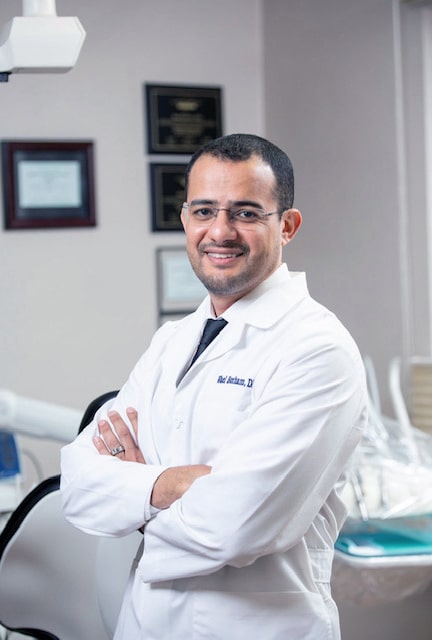
After graduating with honors from the University of California, San Francisco School of Dentistry, Dr. Borham worked in the San Francisco Bay Area for 4 years. Before that, he studied Public Health at New Mexico State University and taught at the dental hygiene school at the Dona Ana Community College. Dr. Borham then acquired Mesilla Valley Family Dentistry and has since practiced full-time as a dentist in Las Cruces, devoting himself to his patients and community.

Dr. Borham’s passion and areas of expertise lie in cosmetic, implant, restorative, oral surgery, and preventative dentistry. Our Las Cruces dentist’s approach to the practice of dentistry is to preserve the natural dentition by using minimally invasive techniques.

Read more

Association Logos NMDA, ADA, Southwest District Dental Society
American Academy of Cosmetic Dentistry


Bulletin's Best Mesilla Valley 2022

Our dental office is conveniently located and accessible via all major roads. Our Las Cruces dentists and staff take great pride in offering exceptional services. Our office fully utilizes the state-of-the-art equipment. We have a modern sterilization system that surpasses OSHA requirements.

Our friendly, compassionate and competent staff is dedicated to you and will ensure your comfort and quality care. We provide the best and latest in technology and treatment options. We provide gentle, family-oriented care to the adults and children of our community here and surrounding areas.

We look forward to welcoming you to our dental family. Our office is warm and inviting. You will always be greeted with a smile and treated with utmost dignity and respect. You will play an active role in your treatment and your voice heard when you have questions or concerns.

Insurance

We accept most insurance plans. We also accept payment from most PPO and indemnity plans. We however do not currently accept HMO’s or Medicaid. Please call us to make an appointment and we will answer any questions you may have.

Payment Options

We accept all major credit cards, ATM cards, cash, and personal checks. For your convenience, we have arranged a payment plan through a third party, which helps you receive your treatment in a timely manner.

Fluoride and Decay Prevention

Fluoride is a naturally occurring element that has been shown to help strengthen teeth in children and also prevent decay in people of all ages. Topical fluoride, in particular is helpful for promoting oral health. The American Dental Association has publicly endorsed the use of fluoride for the prevention of dental caries, as has the American Academy of Pediatrics and the American Medical Association.

Did you know…

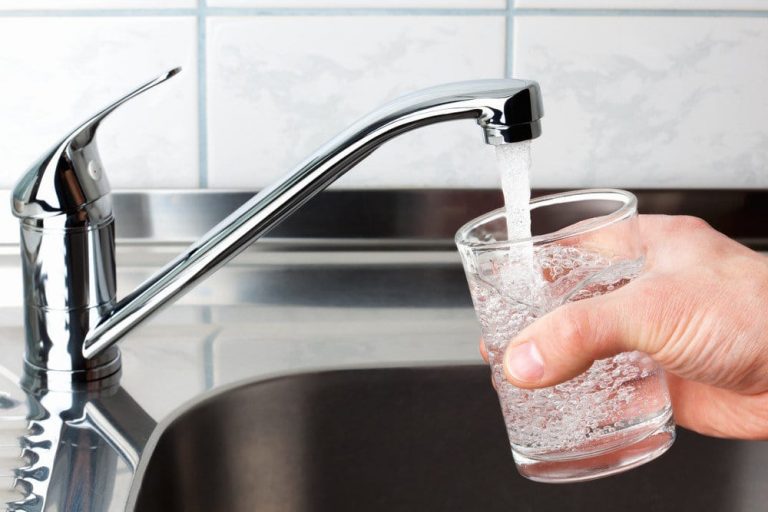
that you might be drinking fluoride every day without knowing it? Many communities add fluoride to the public water supply in an effort to promote better dental health. You can find out if there is fluoride in your tap water by contacting your local water utility. Keep in mind that if your primary source of drinking water is bottled, you may not be getting fluoride. You can contact your bottle water company or manufacturer to find out if fluoride is in your water. If not, speak with your dentist about getting professional fluoride treatments.

Frequently Asked Questions

Do I need fluoride treatments?

You may need fluoride treatments if your drinking water is not fluoridated or if you are experiencing certain symptoms, such as receding gums. Fluoride treatments can also provide oral support and prevent decay if you wear orthodontic braces or are taking medications that cause dry mouth.

What should I expect during fluoride treatments?

Fluoride treatments are painless and can be administered in your dentist’s office at your twice-yearly check-ups and cleanings. Your dentist will distribute fluoridated gel, foam or varnish into a tray and place it over your teeth. The treatment takes only a few minutes and is only required between one and four times per year.

Is there anything I can do to supplement my fluoride treatments?

Yes. The ADA recommends supplementing your fluoridated drinking water or fluoride treatments with a fluoridated toothpaste.

Dentistry Post-Op Questions

If you are undergoing a dental procedure or operation, you will be given a set of post-operative instructions to abide by in the hours, days, and weeks after your treatment. Following these instructions is essential to preventing infections in surgical sites, protecting restorations, and minimizing the possibility of experiencing complications. Post-operative instructions vary from procedure to procedure, but you are still sure to have some questions regarding care. Your [city] dentist will be available to answer those questions and respond to any concerns you may have.

Post-Op Questions

Try to anticipate some of the questions you may have about your post-operative care and ask them prior to your treatment.

Some of the most common post-op questions include:

  • How should I manage pain following my procedure?

  • How long should I experience discomfort?

  • Do I need to follow any special dietary guidelines?

  • Is it safe for me to drink through a straw?

  • Will I be able to drive myself home after my procedure?

  • Will I need to take an antibiotic?

  • Will I need to return to your office for a follow-up appointment?

  • When will my permanent restorations be ready?

  • How do I care for my removable prosthesis?

Frequently Asked Questions

Should I talk with my dentist about the questions I have regarding my post-operative care?

Yes. Your post-operative care is contingent on you understanding everything about the recovery process and your responsibilities in caring for your surgical site.

What should I expect when I speak with my dentist?

Your dentist should allocate enough time in your consultation and pre-operative exam to listen to your concerns and answer any questions you may have. You should also be provided a phone number that you can call following your procedure to discuss any questions that may come up at that time.

Is there anything I can do to make the process easier?

Yes. Begin thinking of any questions you may have about your post-operative care, and begin writing them down. You’ll be ready to ask all of your questions when the opportunity arises without missing any important details.

Dental X-ray

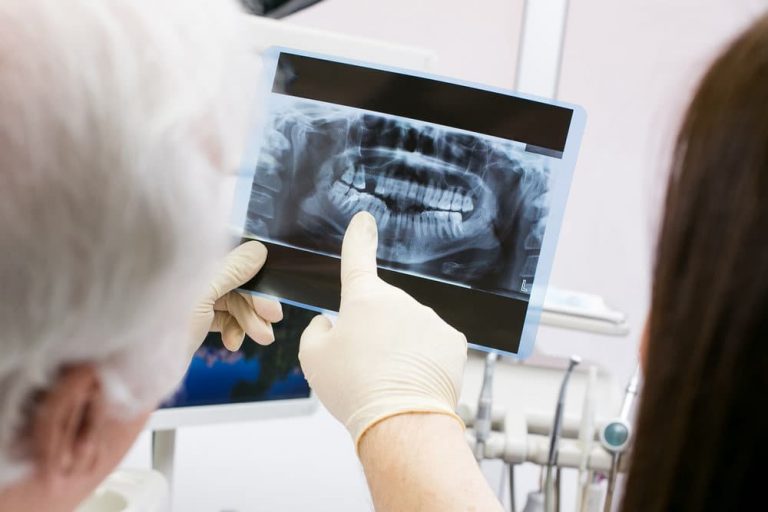
For years, dental x-rays have been used to diagnose oral health complications and detect decaying or damaged teeth. X-rays provide a unique view of the mouth that isn’t possible with a visual exam alone. When x-rays are taken, the teeth and bones absorb the majority of the ray, making them highly visible on film or on a screen. Nearly all new dental patients are x-rayed, although you may instead request that previous x-rays be transferred from another dental provider to your new dentist. By comparing your x-rays with your full mouth examination and dental history, your dentist can prescribe effective treatment and recommend a plan for preventative care.

Did you know…

that dental x-rays deliver very low levels of radiation and are considered completely safe? In fact, x-rays are even considered safe during pregnancy and while breastfeeding so long as a leaded apron and collar are used to protect your body from exposure. If you are pregnant or think you may be, tell your dentist so proper precautions can be taken.

Frequently Asked Questions

Should I get dental x-rays?

Yes. Dental x-rays are capable of identifying tooth decay and damage beneath the surface of the teeth where caries are less visible during an examination. Furthermore, x-rays provide a reference point for the progression of decay in your mouth over time. You should have x-rays taken on a regular basis, but especially if you are experiencing oral health complications or are planning to undergo a dental procedure, such as a root canal.

What should I expect when I get dental x-rays?

Getting traditional dental x-rays can take several minutes. A thick paper tab is placed into the mouth, which you will be asked to bite down on. Most patients find that dental x-rays are completely painless and do not inflict any level of discomfort. In some cases, dentists intraoral x-rays, as well as extra-oral x-rays that snap images of the face, jaw and skull. Extra-oral x-rays are typically used to identify impacted teeth, such as wisdom teeth.

What happens after my dentist has taken x-rays?

Your x-rays will be saved either on film or digitally. In the future, your dentist may request additional dental x-rays every few years to monitor the health of your teeth, gums and jaw over time. If you are considered to be high risk for oral disease or are exhibiting symptoms of complications, your dentist may prefer to take x-rays more frequently.

Removable Dentures

Removable Dentures in Las Cruces, NM

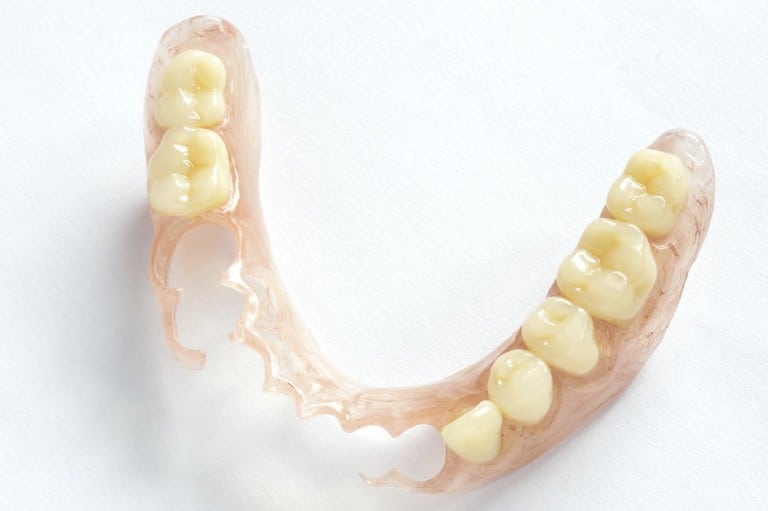
Dentures are removable tooth prosthetics designed to look and function like natural teeth. For thousands of years, some form of denture has been used to fill in the gaps left by missing teeth, although today’s dentures are much more advanced and easier to care for.

What should I expect when being fitted for dentures?

Many dental patients elect dentures for tooth replacement if they are not candidates for dental implants or are otherwise looking for a tooth replacement option that is more affordable and budget-friendly.
Removable Dentures

Caring for Your Dentures
Your dentures are custom designed to fit your smile, but did you know that improperly caring for them can cause them to become distorted? Most removable dentures must maintain moisture to retain their shape. Be sure to wash them after eating, gently clean them once daily, and allow them to soak overnight in a denture soaking solution. This will keep your dentures clean and free of stains, which ultimately helps your smile look its best.


Frequently Asked Questions 

What is the difference between fixed and removable dentures?

An implant-supported denture, also referred to as a fixed denture, is a prosthetic device that can only be removed at your local dentist’s office. If you have several missing teeth, you may be able to replace a complete arch with just two to six implants. The process typically takes at least six months to complete and not everyone is a candidate.

Removable dentures are comfortable and convenient, and easily taken out for regular cleaning and sleeping. When compared to implant-supported dentures, the process is much shorter, usually completed between one to two months. 

Are dental implants better than dentures?

Dental implants are considered the gold standard for restoring missing or damaged teeth because they look and feel just like your natural teeth. They’re used to permanently replace anywhere from a single tooth to an entire arch of teeth. Not everyone is eligible for implants and the process typically takes about six months. 

With dentures, you’ll receive a new, natural-looking smile within 30 days of starting your treatment. If you require a tooth extraction, the process can take six to eight weeks. Schedule a consultation with Dr. Borham by calling (575) 523-5589 to start your journey toward a more beautiful smile.

How do I know if I am a candidate for removable dentures?

Ideal candidates for removable dentures are patients missing one or more teeth and thinking of getting dentures. The only way to know whether you’re a candidate is to schedule a consultation with a dentist experienced in denture placement, such as Dr. Borham. During your appointment, Dr. Borham will examine your oral health and explain your tooth prosthetic options. This is a great time to ask any questions you may have and make an educated decision based on your treatment options.  

What should I expect when being fitted for dentures?

Your gums must first be prepared before getting fitted for a new set of dentures. If you need one or more teeth removed, the process could take longer as you wait for your gums to heal. Dr. Borham will take an impression of your gums and the supporting bones beneath the gum. This will be used to fabricate a complete or partial denture in a dental lab.

Once your dentures arrive from the lab, Dr. Borham will make any necessary adjustments to ensure the fit is comfortable for your unique bite. 

Will I need to follow any special after-care instructions?

Once your dentures are ready, you can begin wearing them regularly. The first few weeks will be an adjustment period, during which you’ll adapt to the feel of your new dentures. Every day your gums and teeth will continue to adapt to the feel of your new dentures until you have the same control that you did with your natural teeth.


Sports Mouth Guard

Sports Mouth Guards in Las Cruces, NM

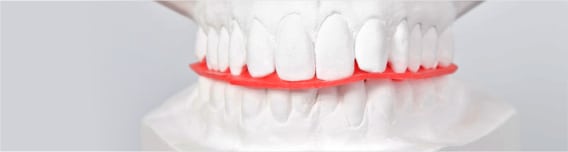
Dental mouth guards have long been used to protect the teeth, gums and supporting tissues from damage, injury and trauma. There are two types of sports mouth guards – over the counter and custom. While OTC guards are helpful for occasional use, many dental patients require the benefit of a customized dental mouth guard fitted by a dentist to effectively prevent injury.

Caring for your new custom mouth guard is simple.
The American Dental Association recommends keeping protected in a sturdy container in between usage. You should also be careful to clean your mouth guard after use and occasionally soak it in cool, soapy water for thorough sanitation. Custom dental mouth guards are designed for durability, but it is important to check your mouth guard for signs of wear every few months. Mouth guards for children and teens must be replaced frequently to account for growing jaws and changes to the teeth.

Frequently Asked Questions

Do I need a dental mouthguard?

Wearing a sports mouthguard can be beneficial for protecting your teeth from damage. A few examples of times a mouthguard may be helpful are:

  • Nighttime wear to prevent damage from teeth grinding and bruxism
  • Tooth and lip protection during high-impact sports, such as martial arts
  • To serve as a barrier between the lips and oral appliances, such as metal braces
  • To protect fragile bridgework

Not wearing a mouthguard when you need one can lead to issues such as TMJ or in the case of sports, damage to your teeth.

What should I expect when my dentist fits me for a mouthguard?

Your dentist will take an impression of your teeth to create a custom mouthguard for you. Your mouthguard will be sent to the laboratory to be created from your impressions.

When your mouthguard is ready, we’ll let you know you can come back to pick it up. Your dentist will then make sure it fits properly and provide care instructions so you can keep your mouthguard in good shape.

Should I follow any special instructions?

Your dentist will give you instructions on wearing your mouthguard and taking care of it before you leave. Your instructions may differ depending on the reason you’re wearing your mouthguard. 

If you’re wearing your mouthguard for sports, you’ll only have to wear it during practice and at games or events. For bruxism or sleep issues, you’ll wear your mouthguard every night.

You can clean your mouthguard by brushing it with a soft toothbrush and rinse it thoroughly. Make sure to keep your teeth clean as well, as bacteria can gather from your teeth onto the mouthguard. Store your mouthguard properly when you’re not using it.