Crowns in Las Cruces, NM
If you have been informed you need a dental crown, you may be wondering what sort to get. With so many materials and alternatives accessible today, it is understandable to feel overwhelmed.
Dental crowns (sometimes known as “caps”) are custom-made covers that fit over broken or weak teeth to restore their shape, strength, and look. They perform an important role in keeping your smile healthy and beautiful, but not all crowns are created equally.
Let’s look at the various types of dental crowns, their advantages and disadvantages, and which one may be ideal for you.

Did you know…
that the Etruscan civilization were the first to use crowns as a means of restoring damaged teeth? In fact, the materials they used – ivory, gold, and bones – were still the standard in dentistry as recently as the 20th century, when porcelain crowns were first invented. Today, crowns and bridges are customized specifically for the patient’s bite and can usually be placed in as little as one or two dental visits. With proper cleaning and regular dental check-ups, crowns and bridges can last many years, or even a lifetime.
Porcelain crowns
Porcelain crowns are among the most natural-looking choices available. They are designed to fit in with your existing teeth, making them ideal for those who value looks.
Pros:
- Look exactly like natural teeth.
- Metal-free, biocompatible.
- Excellent for those with metal sensitivities.
Cons:
- Can be more fragile than metal crowns.
- Not suitable for rear teeth that handle hard chewing.
Best for the front teeth, where look is most important.
Crowns made of porcelain fused to metal (PFM)
PFM crowns blend the aesthetics of porcelain with the durability of metal. The metal base offers durability, and the porcelain covering creates a natural appearance.
Pros:
- Strong and reliable
- Good blend of durability and beauty.
Cons:
- Over time, a dark metal line around the gum may become visible.
- Can wear down opposing teeth slightly.
Best for: Front and back teeth—ideal for all-around use.
Metal crowns (gold, alloys)
Metal crowns are unrivaled in terms of strength and durability. They are made of gold, platinum, or base metal alloys such as nickel and chromium.
Pros:
- Extremely durable—rarely chips or breaks.
- Requires minimum loss of native tooth structure.
- Long-lasting and reliable.
Cons:
- Metallic color—not great for visible teeth.
- Some may have metal sensitivities.
Ideal for: Molars or teeth hiding in the back of the mouth.
Zirconium Crowns
Zirconia crowns are one of the most modern and advanced alternatives. They’re made of zirconium dioxide, which is robust, biocompatible, and looks very natural.
Pros:
- Extremely robust and fracture-resistant.
- Can be color-matched with real teeth.
- Metal-free
Cons:
- Slightly harsher on opposing teeth.
- It may not be as translucent as pure porcelain.
Best for: Both front and back teeth — an excellent all-around option.
E-max (Lithium Disilicate) Crowns
E-max crowns are made from a high-strength ceramic called lithium disilicate. They’re renowned for their stunning, lifelike appearance and exceptional durability.
Pros:
- Excellent aesthetics and translucency
- durable and long-lasting.
- No metal—great for sensitive patients.
Cons:
- Generally more expensive.
Ideal for the front teeth and noticeable regions of your mouth.
Resin crowns
Resin crowns are commonly utilized as a temporary remedy. They’re composed of composite resin, which is both economical and rapid to create.
Pros:
- Budget-friendly
- Simple to construct and position.
Cons:
- Not as durable as other alternatives.
- Can discolor or wear down with time.
Best for: temporary restorations or short-term repairs.
Selecting the Right Crown for You
The “best” crown depends on your specific situation.
Here’s what you should consider:
- Front or back tooth?
- Durability vs. appearance: What is more important to you: strength or appearance?
- Budget: Certain materials cost more than others.
- Allergies or sensitivities: If you are allergic, avoid metals.
Dr. Borham will assess your tooth, bite, and overall oral health before selecting the best crown material.
Dental crowns are an excellent solution to repair damaged teeth and maintain your smile for many years to come. Understanding your options allows you to make the greatest decision for your health and confidence, whether you choose with a natural-looking porcelain crown, a strong zirconia crown, or the classic gold alternative.
Remember that each smile is unique, and the appropriate dental crown can make all the difference in maintaining it healthy, functional, and attractive.
Schedule frequent dental exams to catch any problems before they become emergencies.
Call us right now to schedule an appointment if you would like to maintain good dental health with regular checkups and cleanings.
Frequently Asked Questions
Is a crown right for me?
A crown may be right for you if you have a natural tooth that’s weakened but still intact. Your natural tooth can stay in place, keeping your jaw healthy and strong. It’ll be protected by a natural-looking restoration so you won’t have to worry about it.
Do I need to follow any post-treatment care guidelines?
Yes, it’s very important to take proper care of your oral hygiene after crown or bridge placement. While your restoration is meant to protect your tooth or teeth, it can’t do that well if you don’t practice good oral hygiene.
Proper oral hygiene practices include brushing your teeth twice daily with a soft-bristled toothbrush and non-abrasive toothpaste. A gentle floss can also prevent scratches on your restoration. And of course, visiting your dentist every six months for a cleaning and checkup can make your crown or bridge last longer.
After your crown placement, you may feel some discomfort, including sensitivity to hot and cold foods or beverages. This is normal and will subside as you get used to your new restoration.
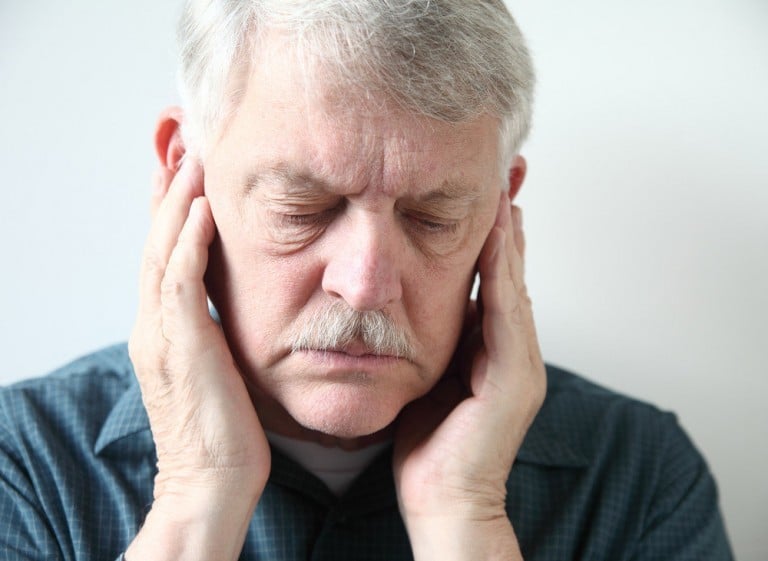
TMJ Treatment in Las Cruces, NM
TMJ refers to the temporomandibular joint, which is the bone structure, muscles and connective tissues that surround the jaw and control chewing. When patients experience disorders of this joint, they are said to have a temporomandibular joint disorder or TMD. Symptoms of TMD include pain and tenderness near the jaw, as well as popping or clicking in the joint when speaking or chewing.
There are many ways of treating TMJ disorders, ranging from non-invasive therapy and bite splints to injections or surgery. Left untreated, however, TMJ disorders can lead to headaches, muscle pain, malocclusion and tooth damage from grinding or clenching.
Did you know…
that TMD alone is not a disorder, but instead a collection of disorders that affect the temporomandibular joint? It is the second most common pain-causing musculoskeletal condition in the U.S. according to the U.S. National Institute of Dental and Craniofacial Research, as many as 12 percent of Americans may suffer from some type of TMD, with women twice as likely to be affected than men. But despite the prevalence and wide availability of treatment, only one out every three people with TMD fails to seek treatment.
Frequently Asked Questions
What should I expect if I undergo treatment for TMJ disorder?
TMJ disorder treatment varies from patient to patient, so it’s likely your experience may be different when compared to someone else’s. Dr. Borham may require you to adopt certain lifestyle changes to help facilitate rehabilitation in your jaw.
In some cases, you may be asked to avoid sudden jaw movements, such as yelling or yawning. Positional therapy, or sleeping on your back, can also be a preventive step to help reduce stress levels. If you’re experiencing symptoms related to TMJ disorder, schedule a consultation with Dr. Borham by calling (575) 523-5589. During the consultation, he’ll evaluate your symptoms and provide you with a customized treatment plan.
How do I know if TMD treatment is right for me?
If you’re experiencing pain associated with TMJ disorder, Dr. Borham will evaluate the extent of the condition and determine what course of treatment is best for you. Typically, the initial treatment for TMD involves conservative treatments, or a non-surgical procedure, and bite guards.
Medications may also be used to relax the jaw or relieve pain. Patients who do not respond to conservative treatments may be considered for surgery or joint injections.
Can TMJ disorder go away on its own?
Certain lifestyle changes may decrease the effects of TMJ, however, for long-lasting results, it’s best coupled with other interventions such as a bite guard or physical therapy. During your initial consultation, Dr. Borham will examine your oral health and determine the best course of action based on your needs.
What causes TMJ disorder?
There are many known causes of TMJ disorder, also referred to as TMD. Some of the possible causes include physical injury, misalignment of the teeth or jaw, stress, arthritis, clenching or grinding of the teeth during sleep, dental surgeries, poor posture, and infections.
What if I don’t seek treatment for TMD?
If left untreated, TMJ can have serious consequences that may have otherwise been avoided. You may experience joint damage and inflammation, wearing down your teeth, ear ringing, and hearing damage or loss. If you’re experiencing TMJ disorder, it’s best to put the painful symptoms to rest before they have lasting effects.
Contact our Las Cruces location by calling (575) 523-5589. One of our knowledgeable team members will be happy to answer any questions you may have.