Orthodontics is often associated with creating a straighter, more attractive smile. However, the benefits of orthodontic treatment go beyond appearance. By correcting problems with the alignment of the teeth and jaws, orthodontics can improve your bite, support better oral hygiene, and contribute to your overall oral health.
What Is a Bite?
Your bite refers to the way your upper and lower teeth come together when you close your mouth. Ideally, the teeth should fit together comfortably and allow you to chew efficiently. However, problems with alignment, known as malocclusions, can affect how your teeth and jaws function.
Common bite problems include overbites, underbites, crossbites, open bites, crowded teeth, and excessive spacing. Depending on their severity, these issues can affect chewing, speech, oral hygiene, and the long term health of your teeth.
Better Chewing and Function
One of the primary benefits of correcting a bite is improved chewing function. When teeth do not meet properly, some teeth may receive more pressure than others. Orthodontic treatment gradually moves the teeth into better positions, helping create a more balanced bite.
A properly aligned bite can make chewing more comfortable and allow your teeth to work together more efficiently.
Easier Oral Hygiene
Crowded, overlapping, or poorly positioned teeth can be difficult to clean. Food particles and plaque may become trapped in areas that are difficult to reach with a toothbrush or floss.
Straightening your teeth can make daily brushing and flossing easier. Better access to the surfaces around your teeth may help you maintain good oral hygiene and reduce the buildup of plaque. However, regular dental checkups and professional cleanings remain essential during and after orthodontic treatment.
Protecting Your Teeth and Gums
An uneven bite can sometimes place excessive pressure on certain teeth, potentially contributing to abnormal wear. Orthodontic treatment can help distribute biting forces more evenly and reduce unnecessary stress on individual teeth.
Properly aligned teeth may also be easier to keep clean, which can support healthier gums. While orthodontics does not prevent gum disease by itself, improved alignment can make effective oral hygiene easier to maintain.
Supporting Jaw Comfort
The teeth and jaws work together during chewing and speaking. Correcting significant bite irregularities may help establish a more balanced relationship between the upper and lower teeth.
However, orthodontic treatment is not a guaranteed solution for jaw pain or TMJ disorders. Persistent jaw pain, clicking, or difficulty opening the mouth should be evaluated by an appropriate dental professional.
Braces and Clear Aligners
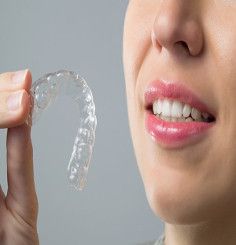
Modern orthodontics offers several treatment options. Traditional braces use brackets and wires to move teeth gradually, while clear aligners use a series of removable trays. The best option depends on the patient’s specific bite problem, dental condition, treatment goals, and lifestyle.
Maintaining Your Results
After orthodontic treatment, retainers are commonly recommended to help keep teeth in their new positions. Following your orthodontist’s instructions for retainer use is essential for maintaining your results.
Orthodontics is about more than achieving a beautiful smile. By improving the alignment of your teeth and bite, treatment can support better chewing, easier oral hygiene, healthier gums, and more balanced tooth function. If you have crowded teeth, gaps, an overbite, underbite, or other alignment concerns, an orthodontic evaluation can help determine whether treatment is right for you.
Schedule frequent dental exams to catch any problems before they become emergencies.
Call us right now to schedule an appointment if you would like to maintain good dental health with regular checkups and cleanings.
Bleeding gums are sometimes overlooked as a minor issue, particularly when they occur infrequently while brushing or flossing. However, bleeding gums are typically an indication that something is wrong with your oral health. Ignoring this symptom can lead to more significant dental and overall health concerns in the long run. Healthy gums should not bleed frequently, and understanding the causes and implications of bleeding gums is critical for preserving general health.
What Causes Bleeding Gums?
The most prevalent cause of bleeding gums is plaque accumulation along the gumline. Plaque is a sticky film of germs that accumulate on the teeth every day. Plaque, if not eliminated properly through brushing and flossing, can irritate and inflame the gums. Gingivitis refers to the early stages of gum disease.
Other causes of bleeding gum may include:
- Poor oral hygiene
- Brushing too hard
- Vitamin deficiencies, especially Vitamin C and Vitamin K
- Smoking and tobacco use
- Hormonal changes during pregnancy
- Certain medications such as blood thinners
- Medical conditions like diabetes or blood disorders
Regardless of the cause, persistent bleeding should never be ignored.
The Connection Between Bleeding Gums and Gum Disease
Bleeding gums are often the first warning sign of gum disease. Gingivitis may begin with redness, swelling, and bleeding, but if left untreated, it can progress into periodontitis, a more serious infection that damages the tissues and bones supporting the teeth.
As gum disease advances, individuals may experience:
- Persistent bad breath
- Receding gums
- Loose teeth
- Pain while chewing
- Tooth loss
At advanced stages, treatment becomes more complex and expensive. Early detection and treatment can prevent these complications.
Bleeding Gums and Overall, Health
Oral health is closely connected to general health. Research has shown that gum disease may be linked to several systemic conditions, including heart disease, diabetes, respiratory infections, and complications during pregnancy. Bacteria from infected gums can enter the bloodstream and contribute to inflammation in other parts of the body.
For people with diabetes, gum disease can make blood sugar levels harder to control. Similarly, individuals with weakened immune systems may face greater risks if gum infections are left untreated.
How to Prevent Bleeding Gums
Preventing bleeding gums usually involves improving oral hygiene habits and seeking professional dental care when necessary. Some important preventive measures include:
Brush Properly
Brush your teeth at least twice a day using a soft-bristled toothbrush and fluoride toothpaste. Gentle brushing is more effective and less damaging to the gums than aggressive brushing.
Floss Daily
Flossing removes plaque and food particles between the teeth where a toothbrush cannot reach. Although gums may bleed initially when starting to floss, consistent flossing often improves gum health.
Visit the Dentist Regularly
Regular dental check-ups and cleanings help detect gum problems early before they become serious.
Maintain a Healthy Diet
Eating foods rich in vitamins and minerals support healthy gums and teeth. Fruits, vegetables, and calcium-rich foods are especially beneficial.
Avoid Smoking
Smoking weakens the immune system and increases the risk of gum disease. Quitting smoking significantly improves oral health.
When to See a Dentist
Occasional minor bleeding may not always indicate a serious issue, but continuous or frequent bleeding should be evaluated by a dental professional. You should seek Dr. Borham advice if you notice:
- Bleeding that lasts for several days
- Swollen or painful gums
- Loose teeth
- Pus around the gums
- Persistent bad breath
Early treatment can prevent gum disease from worsening and assist to maintain both dental and general health.
Bleeding gums should never be overlooked because they are frequently an early indicator of gum disease or other health issues. Paying attention to this symptom and maintaining adequate dental hygiene will help you avoid major difficulties in the future. Healthy gums are a crucial component of a healthy body, and regular dental care is critical to sustaining long-term health.
Schedule frequent dental exams to catch any problems before they become emergencies.
Call us right now to schedule an appointment if you would like to maintain good dental health with regular checkups and cleanings.
Acidic foods and drinks are a common part of everyday diets—from citrus fruits and fruit juices to soft drinks and salad dressings. While many of these items are nutritious or enjoyable, frequent exposure to acid can gradually damage your teeth. Understanding this process is key to protecting your oral health.
What Happens When You Consume Acidic Foods?
Your teeth are protected by enamel, a hard outer layer that acts as a shield against physical and chemical damage. However, when you consume acidic foods or beverages, the pH level in your mouth drops. This creates an environment where enamel begins to lose essential minerals, a process known as demineralization.
Although saliva helps neutralize acids and restore minerals, repeated exposure to acidic substances can overwhelm this natural defense. Over time, enamel becomes thinner and weaker, referred to as dental erosion. Unlike other tissues, enamel does not regenerate once it is lost.
Common Sources of Acid in Your Diet
Many everyday foods and drinks contain acids that can affect your teeth, including:
- Citrus fruits such as oranges, lemons, and grapefruits
- Carbonated soft drinks, including diet sodas
- Sports and energy drinks
- Fruit juices, even those without added sugar
- Vinegar-based foods like pickles and salad dressings
- Wine and other alcoholic beverages
Even healthy choices, such as fresh juices, can contribute to enamel erosion if consumed frequently or in large amounts.
Signs of Acid Damage to Teeth
Acid erosion often develops gradually, and early signs may not be immediately noticeable. Common indicators include:
- Increased sensitivity to hot, cold, or sweet foods
- Yellowing teeth due to thinning enamel
- Smooth, shiny, or worn-down tooth surfaces
- Transparent edges, especially on front teeth
- Small chips or rough edges
If left untreated, enamel erosion can lead to more serious issues such as cavities and structural damage.
How to Protect Your Teeth
You don’t need to eliminate acidic foods completely, but managing your exposure can significantly reduce the risk of damage:
- Limit frequency: Try not to consume acidic foods and drinks continuously throughout the day.
- Drink water afterward: Rinsing your mouth helps neutralize acid and wash it away.
- Use a straw: This can reduce direct contact between acidic drinks and your teeth.
- Wait before brushing: Avoid brushing your teeth immediately after consuming acidic items. Wait at least 30 minutes, as enamel is temporarily softened.
- Maintain good oral hygiene: Brush twice daily with fluoride toothpaste and visit your dentist regularly.
Acidic foods are not harmful when consumed in moderation, but frequent exposure can gradually weaken your enamel and affect your dental health. By being mindful of your dietary habits and maintaining proper oral care, you can protect your teeth while still enjoying a balanced diet.
Schedule frequent dental exams to catch any problems before they become emergencies.
Call us right now to schedule an appointment if you would like to maintain good dental health with regular checkups and cleanings.

When we think about oral hygiene, most of us focus on preventing cavities, gum disease, and maintaining a bright smile. However, the health of your mouth extends far beyond your teeth and gums. Scientific research increasingly shows that bacteria in the mouth can influence the health of your entire body, particularly your heart.
Your mouth is home to millions of bacteria, most of which are harmless when kept under control through proper oral care. However, poor dental hygiene can lead to the overgrowth of harmful bacteria, resulting in conditions like gingivitis and periodontitis (gum disease). These conditions create inflammation and allow bacteria to enter the bloodstream through the gums.
Once these bacteria enter the bloodstream, they can travel to other parts of the body. One of the most concerning links is between oral bacteria and cardiovascular disease. Studies have found that certain types of oral bacteria can attach to fatty plaques in the arteries, contributing to their buildup. This can lead to a condition known as atherosclerosis, where arteries narrow and harden, increasing the risk of heart attacks and strokes.
Additionally, the inflammation caused by gum disease plays a major role. Chronic inflammation in the body is a known risk factor for heart disease. When your gums are consistently inflamed, your immune system remains activated, which can negatively affect blood vessels and heart function over time.
Beyond the heart, oral bacteria have been linked to several other health issues. For example, respiratory infections can occur when bacteria from the mouth are inhaled into the lungs, potentially causing pneumonia. There is also evidence suggesting a connection between gum disease and complications in diabetes. In fact, the relationship is bidirectional—diabetes can worsen gum disease, and severe gum disease can make blood sugar levels harder to control.
Pregnant women should also be aware of the potential risks. Poor oral health has been associated with premature birth and low birth weight. This is believed to be due to the inflammatory response triggered by oral bacteria, which may affect pregnancy outcomes.
Maintaining good oral hygiene is one of the simplest and most effective ways to protect both your dental and overall health. Brushing your teeth at least twice a day, flossing daily, and visiting your dentist Dr. Borham regularly can significantly reduce harmful bacteria in your mouth. Professional cleaning and early treatment of gum disease can prevent bacteria from spreading beyond the oral cavity.
Lifestyle choices also play a role. A balanced diet, limiting sugary foods, avoiding tobacco products, and managing stress can all contribute to better oral and systemic health.
In conclusion, your mouth is not isolated from the rest of your body, it serves as a gateway to your overall health. Taking care of your teeth and gums is not just about maintaining a healthy smile; it is a crucial step in protecting your heart and reducing the risk of other serious health conditions.
Schedule frequent dental exams to catch any problems before they become emergencies.
Call us right now to schedule an appointment if you would like to maintain good dental health with regular checkups and cleanings.
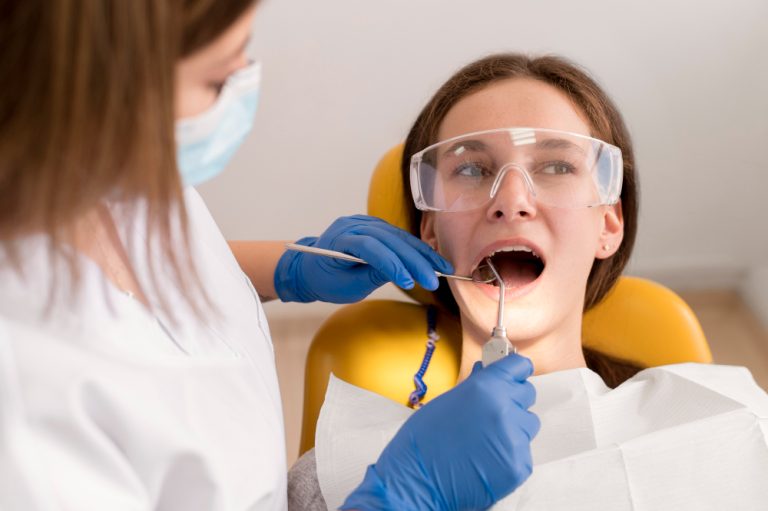
Many patients’ daily routines include coffee and tea, but repeated use can cause tooth discolouration over time. At our dental office, we frequently see stains produced by these beverages. The good news is that with adequate preventive care and professional advice, coffee and tea stains can be considerably reduced while still keeping good oral health.
Why Coffee and Tea Stain Teeth
Tooth enamel, although being the toughest component in the body, is naturally permeable. Coffee and tea include chromogens, or dark pigments, as well as tannins, which enhance the pigments’ capacity to attach to enamel. Tea, particularly black tea, is more likely to stain than coffee due to its higher tannin content.
In addition, both beverages have a little acidity. Acid temporarily softens enamel, increasing its susceptibility to discolouration. Repeated exposure over time causes yellow or brown surface stains, particularly around the gum line and in the natural grooves of teeth.
Understanding Tooth Stains
Coffee and tea primarily create extrinsic stains on the outside surface of the teeth. While these stains are superficial, they can become more permanent if plaque builds up or preventive treatment is neglected. Early treatment helps to maintain both look and enamel health.
Dr. Borham-Recommended Ways to Prevent Staining
- Rinse with water after drinking.
After drinking coffee or tea, rinse your mouth with plain water to neutralize acids and remove pigments before they link to enamel.
- Avoid brushing immediately after consumption.
Because acidic liquids temporarily soften enamel, brushing too soon can lead dental erosion. We recommend that you wait 30 to 60 minutes before brushing to allow saliva to naturally restore enamel hardness.
- Maintain Excellent Daily Oral Hygiene.
Brushing twice a day with fluoride toothpaste and flossing once a day will help reduce plaque formation. Plaque attracts staining chemicals, making discoloration more visible.
- Use a straw for iced drinks.
Using a straw to drink iced coffee or tea eliminates direct contact with your front teeth, which are the most prominent and susceptible to discoloration.
- Add Milk When Possible
Milk proteins bond to tannins, limiting their capacity to discolor enamel. Lighter-colored beverages produce less discolouration.
- Enhance Saliva Production
Saliva plays an important part in enamel protection. Drinking plenty of water and chewing sugar-free gum can help to neutralize acids and prevent stains.
The Value of Professional Dental Cleanings
Surface stains can collect over time, even with good housekeeping. Professional dental cleanings successfully remove plaque and extrinsic stains that brushing alone cannot. Regular check-ups also allow your dentist to analyze the health of your enamel and, if necessary, offer whitening or preventative treatments.
When to Consider Professional Whitening.
If discoloration persists despite preventive efforts, professional teeth whitening may be a viable solution. Whitening done under dental supervision is safer, more controlled, and produces more consistent results than over-the-counter treatments.
Coffee and tea stains are prevalent, but they can be avoided with the proper habits and competent dental care. Patients who follow Dr. Borham’s recommendations and attend regular dental checkups can enjoy their favorite beverages while preserving a brighter, healthier smile.
Schedule frequent dental exams to catch any problems before they become emergencies.
Call us right now to schedule an appointment if you would like to maintain good dental health with regular checkups and cleanings.
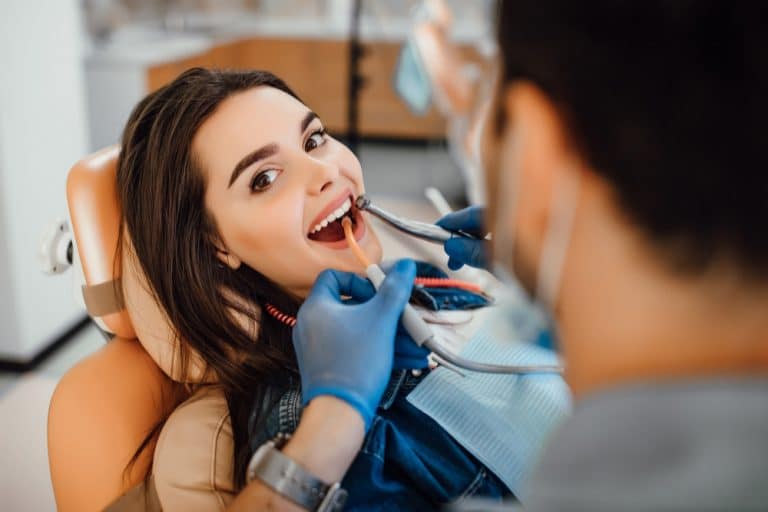
Oral cancer is a significant medical illness that sometimes goes undiagnosed in its early stages. Because it can develop quietly and swiftly, early identification is critical. Regular oral cancer screenings, which are commonly performed by dentists during standard check-ups, are critical in detecting early indications before they progress to advanced or life-threatening levels. Understanding the advantages of these screenings helps persuade people to include them as part of their overall healthcare practice.
- Early Detection Saves Lives
One of the most significant benefits of routine oral cancer screenings is the ability to detect anomalies early on. Early detection of oral cancer significantly increases the likelihood of successful therapy. Early identification can eliminate the need for severe therapies and lower the chance of cancer spreading to other parts of the body.
- Quick, Painless, and Non-Invasive
Many people underestimate the importance of oral cancer screenings because they think they are complicated or uncomfortable. In truth, the procedure is simple, quick, and painless. Dentists visually inspect the mouth, throat, tongue, gums, and surrounding tissues for any odd changes. Some may employ specialized lights or instruments, but the operation is non-invasive and stress-free for the patient.
- Identifies Small Changes Before They Become Serious
Regular screenings assist Dr. Borham in detecting minor problems, such as odd patches, sores, tumors, or tissue changes, that may not be obvious or recognizable to patients. Detecting these symptoms early allows for rapid follow-up, which can prevent mild irregularities from progressing to major health problems.
- Helps Detect Other Oral Health Issues
In addition to cancer, examinations can reveal other oral diseases that need to be addressed. Lesions, infections, and precancerous alterations are all detectable early. This not only helps to improve dental health, but it also ensures that any underlying health issues are addressed before they develop.
- Increased Protection for High-Risk Individuals
Tobacco usage, high alcohol intake, prolonged sun exposure, HPV infection, and a family history of cancer are all risk factors for developing oral cancer. Individuals who fall into these high-risk categories require regular tests. Frequent monitoring adds an additional degree of security and comfort of mind.
- Supports Overall Health and Well-Being
Oral cancer screenings do more than only identify cancer; they also improve general health. The mouth frequently reflects the state of the body, and dentists can detect indicators of systemic problems such as nutritional deficits or immunological illnesses. Regular screenings encourage a proactive attitude to health maintenance.
Maintaining dental and overall health requires routine testing for oral cancer. They are rapid, simple, and very successful in identifying early indicators of cancer and other oral diseases. You can greatly increase your chances of early identification, effective treatment, and long-term well-being by making these screenings a priority, particularly for people with greater risks.
Schedule frequent dental exams to catch any problems before they become emergencies.
Call us right now to schedule an appointment if you would like to maintain good dental health with regular checkups and cleanings.

Stress has a wide range of effects on the body, including headaches, muscle tension, sleep issues, and exhaustion. Teeth grinding, commonly known as bruxism, is a lesser known but highly prevalent side effect of stress. Many people grind or clench their teeth without realizing it, especially when sleeping, and stress is a major contributor to this behavior.
What Is the Definition of Teeth Grinding?
Teeth grinding (bruxism) is when a person unintentionally clenches their jaw or grinds their teeth together. It can occur during the day (awake bruxism) or at night (sleep bruxism). Because sleep bruxism occurs without awareness, many people only learn about it after a dentist sees damaged teeth or they have symptoms such as jaw pain or headaches.
How Stress Causes Teeth Grinding?
Stress triggers the body’s “fight or flight” reaction, which increases muscle tension throughout the body, including the muscles in the jaw. When stress persists, this tension might become habitual. During the day, stress might trigger jaw clenching due to concentration, frustration, or anxiety. At night, the brain may continue to process stress, resulting in involuntary teeth grinding.
Bruxism is frequently associated with emotional stress, anxiety, school or work-related pressure, and big life events. People who are stressed or have trouble relaxing are more likely to adopt this habit.
Role of the Nervous System
Stress impacts the neurological system, which regulates muscular action and sleep patterns. When the nervous system is overstimulated, it disrupts regular sleep cycles and increases muscular activity when asleep. This explains why teeth grinding is typically associated with other stress-related sleep problems, such as insomnia or restless sleep.
Signs and symptoms of stress-related bruxism
Teeth grinding can result in a range of symptoms, including:
- Jaw ache or tightness.
- Headaches, particularly in the morning.
- Tooth sensitivity.
- flattened, chipped, or worn teeth
- Facial soreness
- Making clicking or popping sounds with the jaw
If left untreated, chronic bruxism can cause long-term tooth damage and jaw joint difficulties.
Why Stress Makes It Worse Over Time?
Stress-induced tooth grinding can become a cycle. Stress induces grinding, which causes discomfort and poor sleep, and a lack of rest raises stress levels even further. If the underlying stress is not handled, this cycle can increase the frequency and severity of symptoms over time.
Managing Stress to Reduce Teeth Grinding.
Because stress is a primary trigger, regulating it is a critical step toward reducing teeth grinding. Useful strategies include:
- Practice relaxation techniques such as deep breathing or mindfulness.
- Having a steady sleep habit
- Reducing screen time before bed.
- Staying physically active.
- Identifying and addressing daily stressors.
Dentists may recommend a mouth guard to protect the teeth during nighttime grinding, but long-term recovery requires stress management.
When to Seek Help:
If teeth grinding causes pain, sleep issues, or visible tooth damage, you should see Dr. Borham. Dr. Borham can assess whether stress is a problem and provide appropriate therapies or coping strategies.
The link between stress and tooth grinding is substantial and well-established. Stress raises muscle tension and impairs sleep, making teeth grinding more likely. Individuals who realize this link and take actions to minimize stress can protect their teeth, reduce discomfort, and enhance general well-being. Stress management not only benefits the mind, but it can also improve oral health significantly.
Schedule frequent dental exams to catch any problems before they become emergencies.
Call us right now to schedule an appointment if you would like to maintain good dental health with regular checkups and cleanings.

Probiotics, best known for their function in gut health, are living bacteria that give health advantages when taken in sufficient quantities. In recent years, research has emphasized their potential to improve dental health. The oral cavity has a complex microbial community and keeping it balanced is critical for avoiding dental problems including caries, periodontal disease, and halitosis. Probiotics are a promising natural technique for maintaining this equilibrium and improving dental hygiene.
One of the primary ways probiotics benefit dental health is by fighting bad microorganisms. Dental illnesses frequently begin when harmful bacteria, such as Streptococcus mutans, cling to tooth surfaces and create biofilms or dental plaque. Lactobacillus and Bifidobacterium species are probiotics that produce antimicrobial compounds such as lactic acid, hydrogen peroxide, and bacteriocins, which can limit pathogen growth. This produces a less favorable habitat for pathogenic bacteria, resulting in a healthier oral microbiome.
Probiotics can also help the body’s natural defenses by increasing the immunological response in the mouth. They may, for example, stimulate the production of immunoglobulin A (IgA), an antibody that is critical for immunological activity on mucosal surfaces. Probiotics can reduce inflammation by modifying the host immune system, which is especially effective in the treatment of periodontal disease, an inflammatory illness that affects the gums and supporting structures of teeth.
Probiotics have also demonstrated efficacy in treating halitosis, or bad breath, another prevalent oral health issue. Anaerobic bacteria in the mouth produce volatile sulfur compounds (VSCs), which are the main cause of halitosis. A discernible improvement in breath freshness can result from the reduction of these bacteria by specific probiotic strains.
Probiotics can be delivered in a variety of ways to improve oral health, such as mouthwash, dairy products, lozenges, and chewing gum. Frequent usage of these items has been linked to better gum health, less plaque buildup, and a decreased risk of cavities. However, a number of variables, including the strain, dosage, and length of usage, affect how effective probiotics are.
Probiotics should not be seen as a substitute for traditional oral hygiene procedures including brushing, flossing, and professional dental care, despite their apparent advantages. Instead, they ought to be viewed as an adjunctive strategy that can improve general oral health. The best probiotic strains and their long-term effects on dental health require further investigation.
In summary, by suppressing dangerous bacteria, boosting immune responses, and lessening foul breath, probiotics significantly contribute to the promotion of oral health. They are a desirable complement to preventive dental treatment because of their organic, non-invasive manner of action. Probiotics may become a standard component of oral healthcare regimens as scientific knowledge advances, assisting people in maintaining a more balanced and healthier oral microbiota.
Schedule frequent dental exams to catch any problems before they become emergencies.
Call us right now to schedule an appointment if you would like to maintain good dental health with regular checkups and cleanings.
All About Enamel Erosion: Causes and Prevention
Your teeth’s hard outer layer, or tooth enamel, is essential for shielding them from environmental factors like chemicals and high temperatures as well as normal wear and tear. Even though enamel is the strongest material in the human body, it can nevertheless break. When this protective layer erodes, the sensitive dentin beneath is exposed, leading to enamel erosion, a common dental problem. Maintaining strong and healthy teeth requires an understanding of the causes of enamel erosion and how to prevent it.
Causes of Enamel Erosion
Acid exposure on a regular basis is one of the main reasons for enamel degradation. Acidic meals and drinks, including wine, soda, citrus fruits, and sports drinks, can erode enamel over time. If taken in excess or without following good dental hygiene procedures, even nutritious options like orange juice or lemon water might cause erosion.
Gastroesophageal Reflux Disease (GERD), which causes stomach acid to enter the mouth, particularly when you’re sleeping, is another important culprit. In a similar vein, chronic vomiting and bulimia introduce stomach acids that, over time, can cause significant enamel erosion.
Additionally, xerostomia, or dry mouth, can hasten the loss of enamel. Because saliva serves as a natural barrier against oral acids, enamel is more vulnerable to acid assault when saliva levels are low. Medication side effects, certain illnesses, or just dehydration might cause this syndrome.
Too much brushing or the use of a toothbrush with strong bristles can mechanically erode enamel. Furthermore, bruxism, also known as teeth grinding, which frequently happens while you are sleeping or as a result of stress, puts too much strain on your teeth and causes enamel loss.
Symptoms of Enamel Erosion
Increased tooth sensitivity, particularly to hot, cold, or sweet meals, is one of the early indicators of enamel erosion. As the enamel thins and the underlying dentin show through, teeth may appear more yellow. Teeth may become chipped, rough, or rounded under extreme situations.
Prevention Tips
Good oral hygiene habits and dietary adjustments are key factors in preventing enamel erosion. It is important to limit acidic foods and beverages. When you do eat them, rinse your mouth with water afterward and use a straw to reduce contact with your teeth. Since enamel is momentarily weakened and more prone to injury after eating acidic foods, avoid brushing right after.
To preserve enamel while cleaning, use fluoride toothpaste and a soft-bristled toothbrush. Fluoride can help remineralize early erosion and strengthen enamel. For further protection, Dr. Borham could also suggest remineralizing chemicals or fluoride treatments.
Maintaining proper hydration is essential for promoting salivation. Saliva flow can also be stimulated by chewing sugar-free gum. To manage the underlying disease, get medical help if you have GERD or frequently throw up.
Finally, harm from teeth grinding while you sleep can be avoided by wearing a night guard. Frequent dental examinations are necessary to detect early indicators of enamel erosion and receive tailored guidance from Dr. Borham.
Schedule frequent dental exams to catch any problems before they become emergencies.
Call us right now to schedule an appointment if you would like to maintain good dental health with regular checkups and cleanings.

Millions of people worldwide suffer from diabetes, a chronic illness marked by elevated blood sugar levels brought on by insufficient insulin synthesis or usage. Fewer people are aware of the substantial link between diabetes and dental health, despite the fact that its effects on general health are well known. Diabetes that is not well controlled can damage your teeth and gums, resulting in complications that worsen your general health problems. It is essential to comprehend this connection in order to manage diabetes and provide good oral hygiene.
The Connection Between Diabetes and Oral Health
Diabetes impairs immunity, which makes it more difficult to fight off infections, especially oral ones. High blood sugar levels provide bacteria with the perfect environment to grow, which raises the risk of gum disease and cavities. In instance, periodontitis, a severe form of gum disease that can result in tooth loss, is more common in people with uncontrolled diabetes. Diabetes can also cause xerostomia, or dry mouth, which lowers salivary flow. The absence of saliva increases the risk of dental decay and gum discomfort since it is essential for washing away food particles and neutralizing acids.
Common Oral Health Problems in Diabetics
- Gum Disease: People with diabetes are more likely to have severe cases of gingivitis and periodontitis. Untreated infections can harm the jawbone, and inflamed gums can bleed easily.
- Dry Mouth: An increased risk of cavities, pain, and foul breath can result from low saliva production caused by high blood sugar levels.
- Oral infections: Thrush, a fungal illness brought on by Candida albicans, is one of the oral diseases that diabetics are more likely to get.
- Delayed Healing: It is more difficult to recover from oral procedures or injuries when blood sugar levels are high because they hinder wound healing.
Managing Oral Health with Diabetes
To minimize the impact of diabetes on oral health, follow these essential tips:
- Control Blood Sugar Levels: The key to preserving dental health is efficient diabetes treatment. Gum disease and other dental issues are less likely to occur when blood sugar levels are kept within the desired range.
- Keep Up a Sturdy Oral Hygiene Practice: To get rid of plaque, brush and floss your teeth at least twice a day using fluoride toothpaste. To lessen bacteria, think about using an antiseptic mouthwash.
- Visit your dentist on a regular basis: Early detection and treatment of oral health issues are made possible by routine dental examinations and cleanings. Inform your dentist Dr. Borham that you have diabetes so that they can adjust your treatment.
- Keep Yourself Hydrated: Water helps remove bacteria and food particles from your mouth and helps fight dry mouth. Lozenges or gum without sugar may also increase salivation.
- Avoid Tobacco Products: Smoking damages blood flow to the gums, which makes healing more challenging, and raises the chance of gum disease.
Diabetes and dental health are closely related conditions that frequently affect each other. People with diabetes can greatly lower their risk of dental issues by controlling their blood sugar levels and practicing good oral hygiene. Making oral health a priority not only safeguards your teeth and gums but also helps control diabetes more effectively overall, resulting in a happier, more self-assured smile.
Schedule frequent dental exams to catch any problems before they become emergencies.
Call us right now to schedule an appointment if you would like to maintain good dental health with regular checkups and cleanings.