Having bad breath can be an embarrassing problem – especially if you are regularly face to face with other people. Known professionally as halitosis, bad breath plagues many people every day. Most cases of bad breath can be remedied by efficiently brushing the teeth. However, some types of bad breath are chronic or recurring, which may warrant a visit to the dentist.

Did you know…
that bad breath can be caused by something as simple as eating too much garlic, or that it could be a serious symptom of a disease? Some of the most common causes of bad breath include dry mouth, certain medications, use of tobacco, poor dental hygiene, and oral infections. In rare cases, bad breath may be a sign of diseases like cancer or gastroesophageal reflux.
Frequently Asked Questions
Do I need treatment for my bad breath?
If your bad breath does not improve despite self-care techniques, such as dietary adjustments and thorough tooth brushing, you may need to see a dentist about pursuing professional treatment. Keep in mind that short-term remedies like gum, breath mints, and mouthwash may temporarily freshen breath, but they are not a solution to the underlying problem.
What should I expect my dentist to do about my bad breath?
Your visit will begin with an examination and questions about your daily habits, such as the types of foods you eat and the medications you take. Your dentist may then inspect your mouth for signs of decay, infections or gum disease that could be causing your bad breath. If your chronic bad breath cannot be traced to an oral problem or daily habit, you may be referred to a physician for further evaluation.
Is there anything I can do to maintain better breath?
Yes. If bad breath is a source of embarrassment for you, try to keep breath fresheners on-hand at all times. Sleep with your mouth closed, as this prevents dry mouth and helps tame morning breath. Eliminate odor-causing foods from your diet, such as garlic and onions, and make an effort to brush your teeth and tongue every morning and night. Finally, be sure to visit your dentist for professional cleanings at least twice per year to remove built-up plaque that can cause chronic halitosis.

Your body works hard to convert the foods you eat into energy. You may not think twice about what you are eating – especially when it comes to grabbing an afternoon snack or sipping on a vanilla latte on your commute. But the food you put in your mouth affects more than just your waistline. The truth is, your diet has a direct effect on your overall dental health. Developing good eating habits can lead to excellent oral health free of decay and gum disease. The American Dental Association recommends avoiding certain foods that can expedite decay, such as foods high in sugar.
Did you know…
that eating a slice of pie in the afternoon could be more dangerous to your oral health than eating the same piece of pie as a dessert after dinner? According to the ADA, snacking between meals – especially on sugar-filled foods – can more rapidly lead to decay than eating the same foods with meals. If you must eat the mid-afternoon pie, reach for the toothbrush afterward. Better yet, swap the pie for a nutritious, sugar-free snack like string cheese or some baby carrots.
Frequently Asked Questions
Should I change my eating habits to better my oral health?
Probably. But never start a new diet without first consulting with your physician. If you are on a special diet, be sure to speak with your dentist about the types of foods you should be eating that comply with your diet and can also optimize your oral health.
What types of changes will my dentist recommend?
In addition to avoiding sugary foods, the ADA recommends drinking plenty of water each day and avoiding snacks between meals whenever possible. It is also important to consume nutritious foods from each of the major food groups, including whole grains, vegetables, lean proteins, low-fat dairy, and fruits. Not only will you improve the health of your teeth and gums, but you may drop a pant size too!
Are there any other habits I should be adopting to improve my oral health?
Yes. You should be flossing daily and brushing twice daily using a soft-bristled toothbrush. You should also be visiting your dentist at least twice per year for oral exams and professional dental cleanings.
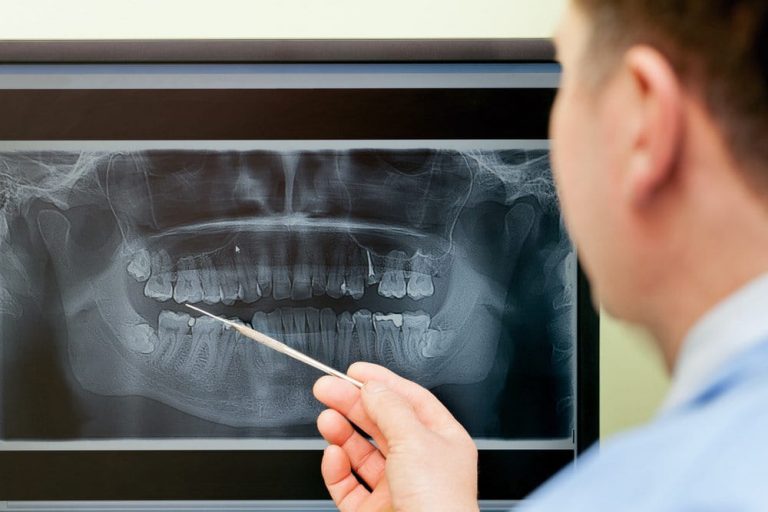
Digital x-rays are a more streamlined way of taking dental radiographs. Like traditional x-rays, digital versions provide an in-depth view of the structures of the mouth, helping dentists detect complications and develop effective modes of treatment. Digital x-rays are capable of revealing hidden caries, bone erosion, and even tooth decay hiding beneath restorations.
Requiring less radiation and no film to process, digital x-rays have become the standard for oral imaging. These systems produce instant digital images that can easily be enhanced and enlarged for a more accurate diagnosis. The images are captured, stored, and even transmitted via in-office computers. In fact, dentists can easily print or email copies of x-rays in just seconds.
Dental x-rays make for a better and more efficient patient experience. Office visits are faster, patients are exposed to less radiation, and radiographs can be sent to a specialist for review in a fraction of the time necessary for traditional film x-rays.
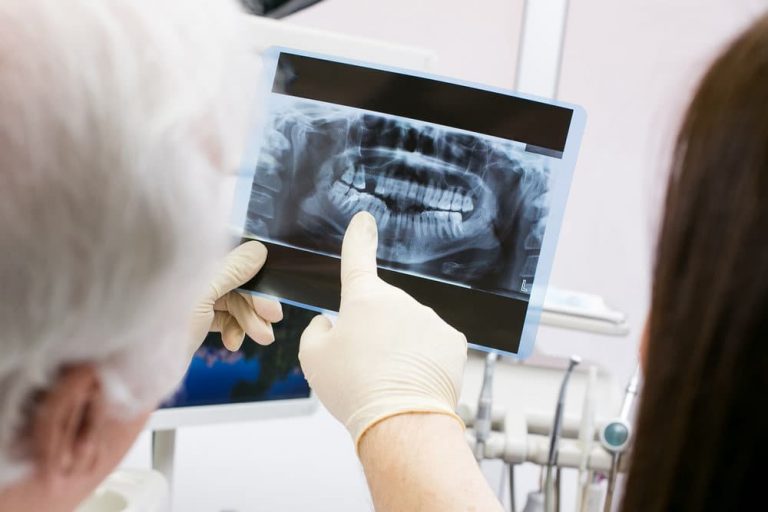
For years, dental x-rays have been used to diagnose oral health complications and detect decaying or damaged teeth. X-rays provide a unique view of the mouth that isn’t possible with a visual exam alone. When x-rays are taken, the teeth and bones absorb the majority of the ray, making them highly visible on film or on a screen. Nearly all new dental patients are x-rayed, although you may instead request that previous x-rays be transferred from another dental provider to your new dentist. By comparing your x-rays with your full mouth examination and dental history, your dentist can prescribe effective treatment and recommend a plan for preventative care.
Did you know…
that dental x-rays deliver very low levels of radiation and are considered completely safe? In fact, x-rays are even considered safe during pregnancy and while breastfeeding so long as a leaded apron and collar are used to protect your body from exposure. If you are pregnant or think you may be, tell your dentist so proper precautions can be taken.
Frequently Asked Questions
Should I get dental x-rays?
Yes. Dental x-rays are capable of identifying tooth decay and damage beneath the surface of the teeth where caries are less visible during an examination. Furthermore, x-rays provide a reference point for the progression of decay in your mouth over time. You should have x-rays taken on a regular basis, but especially if you are experiencing oral health complications or are planning to undergo a dental procedure, such as a root canal.
What should I expect when I get dental x-rays?
Getting traditional dental x-rays can take several minutes. A thick paper tab is placed into the mouth, which you will be asked to bite down on. Most patients find that dental x-rays are completely painless and do not inflict any level of discomfort. In some cases, dentists intraoral x-rays, as well as extra-oral x-rays that snap images of the face, jaw and skull. Extra-oral x-rays are typically used to identify impacted teeth, such as wisdom teeth.
What happens after my dentist has taken x-rays?
Your x-rays will be saved either on film or digitally. In the future, your dentist may request additional dental x-rays every few years to monitor the health of your teeth, gums and jaw over time. If you are considered to be high risk for oral disease or are exhibiting symptoms of complications, your dentist may prefer to take x-rays more frequently.